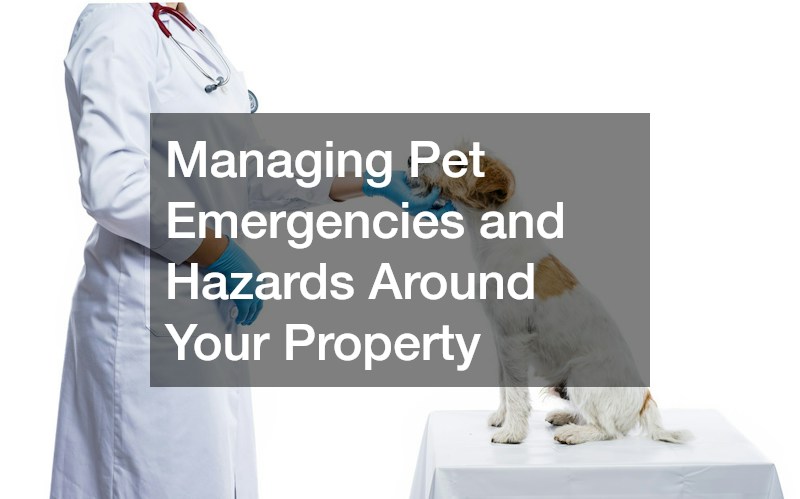
Pets depend on owners to provide safe surroundings, recognize illness, and respond to unexpected problems. Hazards can develop inside the home, in the yard, or during walks. A damaged fence, wildlife encounter, or household substance can quickly become serious.
Preparation helps owners make informed decisions under pressure. Knowing where to seek veterinary care, keeping records accessible, and recognizing emergencies can make them easier to manage. Property maintenance also matters, from repairing flooring to securing outdoor areas and monitoring heating systems.
Supervision and practical safety measures can reduce avoidable risks and help protect pets and property visitors.
Recognize Warning Signs That Require Immediate Veterinary Attention
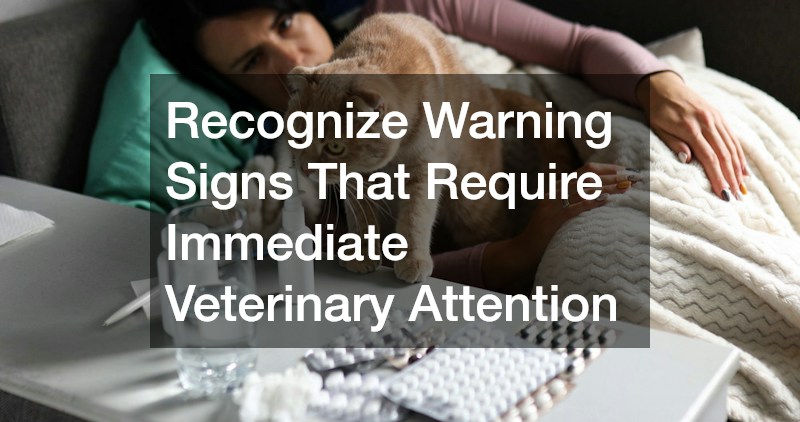
Emergencies may begin suddenly or with subtle behavioral changes. Difficulty breathing, uncontrolled bleeding, collapse, seizures, suspected poisoning, serious injuries, repeated vomiting, unusual weakness, or a swollen abdomen warrant prompt veterinary attention. Do not wait when an animal appears severely unwell.
Contact an urgent care pet clinic, explain the symptoms, and ask where the animal should be evaluated. Some conditions require emergency treatment. Avoid giving human medications or attempting treatment without veterinary instructions.
Before calling, gather information that can help staff assess the situation:
-
Describe the symptoms: Explain what happened, when symptoms began, and whether they have changed.
-
Identify possible exposure: Mention medications, chemicals, unfamiliar foods, or other substances the pet may have encountered.
-
Provide medical details: Share known allergies, current medications, and relevant medical history.
-
Follow transportation guidance: Ask how to move the animal safely without worsening an injury.
Keep emergency contacts accessible to everyone in the household. If the pet has a chronic condition, ask the veterinarian whether specific symptoms or changes require a different response. Keep the clinic’s preferred contact method and directions with the emergency information.
Prepare a Reliable Plan for Finding Veterinary Help
Searching for veterinary care during an emergency is stressful. Research providers in advance, identify a regular veterinarian, and choose an alternative for urgent situations.
Are you asking yourself, “Where can I find veterinarians near me that accommodate special handling needs?” A nearby practice may have limited hours or may not provide emergency treatment. Confirm its schedule, available services, after-hours arrangements, and directions. Ask whether the clinic accepts walk-ins or requires a call before arrival.
Explain in the household plan who will call, gather medical information, and transport the animal. Share it with everyone who cares for the pet.
Useful preparation steps include:
-
Save contact information: Keep phone numbers and addresses for regular and emergency veterinary providers.
-
Check travel arrangements: Identify practical routes and consider how traffic could affect travel time.
-
Prepare transportation: Keep a suitable carrier, leash, or secure restraint available.
-
Organize medical records: Store vaccination details, medication lists, allergies, and previous diagnoses together.
-
Plan for absences: Give pet sitters written instructions and permission details for seeking veterinary assistance.
Review the plan after moving or changing providers.
Make Informed Decisions When Pets Need Surgical Treatment
Deep wounds, fractures, internal injuries, and swallowed objects may require surgical evaluation. Treatment depends on the dog’s condition, examination, and recommended testing.
Dog surgery veterinarians can assess whether a procedure is necessary and explain its potential benefits, risks, and alternatives. Describe what happened, including possible exposure to hazardous objects or substances. Do not remove deeply embedded objects, close serious wounds, or induce vomiting without professional guidance.
Before a procedure, ask about treatment and recovery.
-
Understand the recommendation: Ask what condition the procedure addresses and whether alternatives exist.
-
Discuss anesthesia: Request an explanation of relevant precautions and recommended preoperative testing.
-
Clarify recovery: Ask about activity restrictions, wound care, medications, and follow-up visits.
-
Review warning signs: Find out which postoperative symptoms require prompt veterinary attention.
-
Plan practical support: Arrange transportation and a quiet recovery space at home.
Request written discharge instructions. Contact the veterinary provider if anything is unclear rather than changing treatment independently. Keep follow-up appointments, administer medication exactly as prescribed, and prevent licking or excessive movement if the veterinarian recommends restrictions.
Organize Medical Records and Emergency Care Options
Veterinary facilities offer different levels of care, from routine examinations to imaging, emergency stabilization, surgery, and overnight monitoring. Knowing what a local animal hospital provides helps owners choose an appropriate destination.
Ask nearby facilities about services, hours, and after-hours arrangements. Do not assume a facility offers round-the-clock treatment because its name includes hospital. If needed care is unavailable, ask where to go.
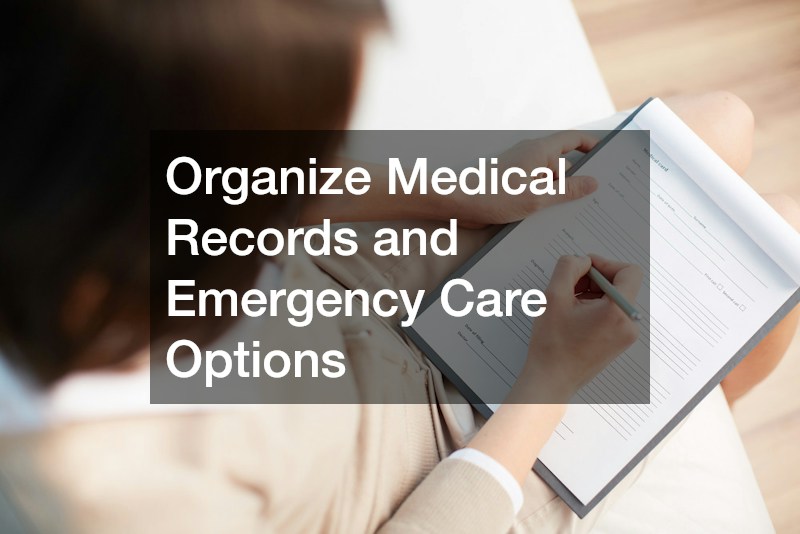
Keep essential medical information together in a physical folder or accessible digital file. Include:
-
Medical history: Previous diagnoses, procedures, and relevant examination results.
-
Medication details: Current prescriptions, dosages, and known allergies.
-
Identification records: Microchip information and current contact details.
-
Vaccination information: Available records and dates of recent vaccinations.
-
Emergency supplies: A leash or carrier, clean towels, disposable gloves, and contact numbers.
Update records when medications or treatment change, and show anyone who may transport the pet where they are stored. Review the file before trips or when a pet sitter takes responsibility.
Reduce Dangerous Encounters With Wildlife Around Your Home
Wild animals may enter properties for food, water, or shelter. Unsecured trash, pet food, compost, and openings beneath sheds can attract them. Pets may then face bites, scratches, or disease exposure.
Professional wildlife removal may be appropriate when animals enter buildings or create persistent hazards. Responses depend on species and local rules. Avoid handling, trapping, or relocating unfamiliar animals yourself.
Inspect the property for conditions that encourage wildlife activity. Look for signs such as disturbed trash, droppings, or repeated activity near an entry point, but do not approach wildlife to investigate. Focus on practical prevention:
-
Secure garbage: Use sturdy containers with tightly fitting lids.
-
Remove food sources: Bring pet bowls indoors and manage fallen fruit or accessible compost.
-
Inspect structures: Look for gaps beneath decks, sheds, porches, and crawl spaces.
-
Maintain boundaries: Repair damaged fencing and secure gates.
-
Supervise outdoor activity: Keep pets close, particularly when wildlife is active.
If an animal appears sick, injured, or aggressive, keep people and pets away and contact animal control or the appropriate wildlife authority. Do not approach it.
Protect Pets From Aggressive or Unpredictable Animal Encounters
Pets may chase or approach wildlife without recognizing the danger, risking bites, scratches, or infectious diseases.
Raccoons may visit yards, gardens, and outdoor feeding areas, especially when food is accessible. Never allow a pet to corner or chase one. Secure garbage, remove outdoor food, and supervise pets rather than leaving them unattended where wildlife has been seen.
If a pet contacts a wild animal, take it seriously even when injuries are not visible. Puncture wounds can hide beneath fur. Contact a veterinarian promptly, particularly after a bite or if vaccination status is uncertain.
Recommended precautions include:
-
Maintain supervision: Keep pets in sight and bring them indoors when wildlife appears.
-
Avoid direct contact: Never attempt to capture or handle a wild animal.
-
Check for injuries: Look for bleeding or behavioral changes without putting yourself at risk.
-
Gather relevant details: Tell the veterinarian which animal was involved and when the encounter happened.
-
Follow professional instructions: Ask about examination, vaccination records, and recommended follow-up.
Do not reach between animals to separate them. Keep a safe distance and seek appropriate assistance if the situation remains dangerous.
Choose Outdoor Surfaces That Support Safer Pet Activity
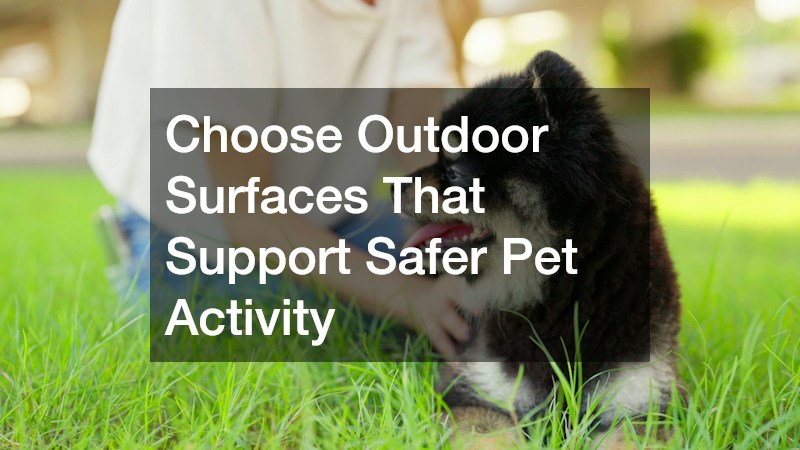
Outdoor play areas need suitable footing, drainage, and room to move. Uneven ground, roots, debris, and damaged fencing can cause injuries or escapes. Choose surfaces based on climate, use, and maintenance needs.
Pet turf installation may create a designated play area with a consistent surface, but material and installation method matter. Ask about drainage, surface temperature, durability, cleaning requirements, and suitability for your pets. Artificial turf can become hot in direct sunlight, so check conditions before allowing pets to lie or walk on it.
Before creating an outdoor play zone, consider how the space will be used throughout the year. Check the manufacturer’s care guidance and ask installers how repairs will be handled if seams, edges, or drainage areas deteriorate. Before creating the area:
-
Inspect the ground: Remove sharp objects and address uneven areas.
-
Review drainage: Prevent standing water with an appropriate base and drainage system.
-
Check temperatures: Test the surface in warm weather and provide shaded alternatives.
-
Maintain cleanliness: Remove waste promptly and follow manufacturer cleaning instructions.
-
Secure the perimeter: Check gates and fencing for gaps or damage.
Keep pets away from driveways, chemicals, tools, and equipment. Inspect the area regularly; supervision is still necessary.
Identify Indoor Hazards That Can Injure Pets
Indoor hazards include loose rugs, frayed carpet, exposed staples, slippery floors, and spilled cleaners. Pets may be injured, exposed to harmful substances, or swallow loose materials.
Inspect floors near doorways, stairs, feeding stations, and resting places. Arrange professional carpet service for deep cleaning, repair, or replacement, and tell the provider pets use the area.
Follow instructions about ventilation, drying times, and when pets can return. A dry-looking surface may not be ready.
Practical maintenance steps include:
-
Secure loose edges: Repair damaged carpet and remove trip hazards.
-
Store chemicals safely: Keep cleaners, detergents, and other substances out of reach.
-
Inspect after repairs: Remove nails, staples, scraps, and small construction materials.
-
Prevent slipping: Use suitable mats where smooth flooring creates traction problems.
-
Check resting areas: Keep bedding clean and inspect it for damage or swallowed materials.
If a pet ingests a hazardous substance, contact a veterinarian or animal poison service. Do not induce vomiting unless directed.
Document Property Hazards and Respond to Injury Incidents
Pet safety affects visitors, workers, and others entering a property. Unsecured gates, damaged walkways, or uncontrolled animals may cause injuries. Maintenance, supervision, and clear access arrangements reduce risks.
After an incident, prioritize medical attention and veterinary care. Once safe, record details with photographs, dates, witness information, veterinary records, and relevant communications.
A personal injury attorney may help an injured person understand possible legal options after an incident involving an animal or unsafe property conditions. Responsibility depends on the facts and applicable law, so avoid assuming who is liable before the circumstances are reviewed.
Useful preventive and documentation practices include:
-
Secure access points: Repair gates and use suitable barriers where necessary.
-
Address property defects: Maintain walkways, steps, and outdoor surfaces.
-
Communicate hazards: Provide appropriate warnings and instructions to visitors.
-
Record incidents: Preserve photographs, witness details, and relevant documents.
-
Keep care records: Retain veterinary bills and treatment information when an animal is injured.
Keep records intact and retain copies of important communications.
Create a Comfortable Environment With Indoor Heating Systems

Keeping pets comfortable indoors is an important part of maintaining a welcoming home. During colder months, animals may seek out warm places to rest, particularly when floors feel chilly. Maintaining comfortable indoor temperatures and providing cozy resting areas can help pets relax while spending time inside.
Radiant floor heating systems provide warmth through heat distributed beneath the floor surface. This can create a comfortable environment for pets who enjoy lying on warm floors, while also helping homeowners maintain consistent indoor temperatures.
When considering indoor heating options, homeowners can take several practical steps:
- Maintain comfortable temperatures: Choose settings that keep indoor spaces pleasant for both pets and people.
- Provide cozy resting areas: Add comfortable bedding in favorite sleeping spots so pets have inviting places to settle.
- Consider flooring materials: Ask a qualified professional how different flooring types work with the heating system.
- Maintain consistent warmth: Follow manufacturer recommendations for operating settings and routine system care.
- Create inviting spaces: Arrange beds, blankets, and resting areas where pets can enjoy the warmth of the home.
With suitable heating and comfortable resting spaces, homeowners can make their living areas more enjoyable for every member of the household.
Pet safety depends on preparation, supervision, and attention to everyday surroundings. Recognizing serious symptoms, identifying appropriate veterinary providers, organizing medical records, and understanding how to respond to wildlife encounters can help owners act promptly when problems arise.
Property maintenance also plays an important role. Secure boundaries, suitable outdoor surfaces, well-maintained flooring, and carefully managed heating systems can reduce common hazards. Regular inspections help identify problems before pets or visitors are injured. Every household should keep emergency contacts accessible, prepare safe transportation for veterinary visits, and share care instructions with anyone responsible for an animal.
Although accidents cannot always be avoided, thoughtful planning can make emergencies easier to manage. By combining preventive maintenance with informed decisions and timely professional care, pet owners can create a safer home environment and respond more effectively when their animals need help.


